Quiet Nooks, Brighter Days: Sensory-Friendly Comfort at Home
Let’s explore how sensory-friendly corners for neurodiverse comfort at home can turn ordinary rooms into reliable anchors for calm, focus, and joyful regulation. We’ll combine practical design moves with compassionate routines, drawing from lived experiences and occupational therapy insights. Expect ideas you can try today—small, affordable, adjustable. Share your own strategies, questions, and photos to inspire fellow readers, and subscribe for future deep-dives that expand these principles to different ages, housing types, and budgets. Together we’ll shape spaces that respect individual profiles while welcoming the entire household.
Begin with Sensations, Not Furniture
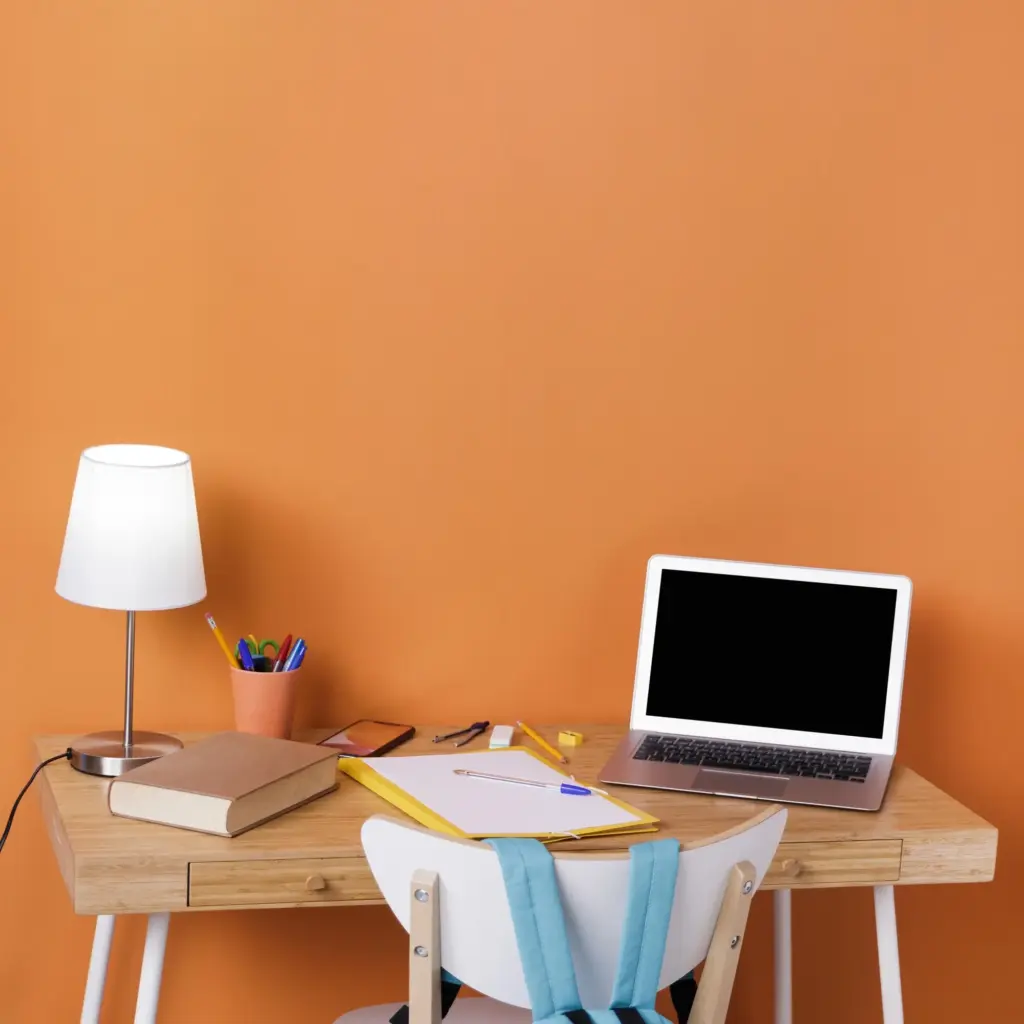
Before buying chairs or paint, start by understanding how bodies and brains interact with light, sound, touch, motion, and smell. Identifying what soothes and what overwhelms reveals where to place quiet corners, movement outlets, and focus stations. This approach reduces guesswork, honors autonomy, and prevents costly missteps. Keep notes over days, observe patterns at different times, and involve everyone who shares the home. Designing from lived sensory profiles creates spaces that feel personally trustworthy, not merely stylish or trendy.
Mapping Rooms into Supportive Zones
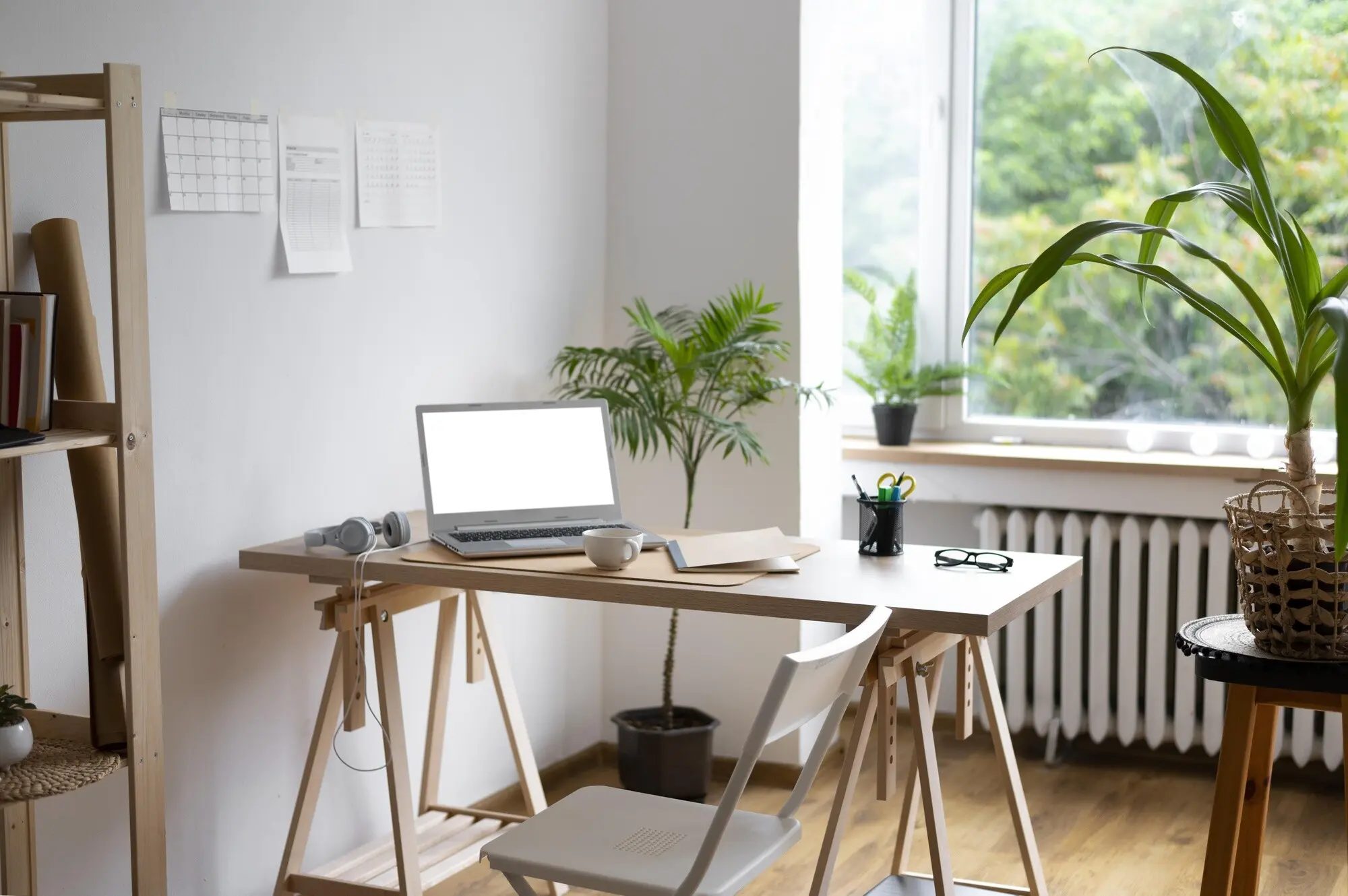
A whole-house makeover is rarely necessary. Instead, carve distinct micro-zones: one for calm retreat, one for focus, and one for movement or sensory exploration. Zoning clarifies expectations, reduces conflict over shared areas, and simplifies cleanup routines. Use orientation, lighting, and storage to cue purpose without heavy signage. Over time, families learn predictable pathways: decompress here, concentrate there, bounce elsewhere. These gentle boundaries invite self-advocacy, help transitions feel safer, and keep essential tools within arm’s reach, precisely where they are most needed.
Textures that Invite, Not Irritate
Choose breathable cotton, bamboo, or jersey for skin contact and reserve rougher weaves for accent layers away from sensitive areas. Test fabrics against the wrist or neck before committing. Prioritize removable, washable slipcovers to tame maintenance stress. Use plush underlays beneath rugs to soften footfall. Keep backup blankets and pillowcases in known places so preferred textures are always available. By aligning everyday contact points with comfort, you reduce background stress, freeing attention for relationships, learning, and play rather than constant micro-avoidance.
Color Palettes with Purpose
Opt for soft, desaturated hues in calm areas and slightly brighter, still cohesive tones where alertness is helpful. Limit high-contrast patterns that flicker at the edges of vision. Use a consistent accent color to signal boundaries across zones. Sample paint at different times of day to observe daylight shifts. Consider colored overlays or tinted task lamps for reading comfort. A thoughtful palette gently guides mood without shouting, turning walls into partners in regulation rather than sources of visual fatigue or distraction.
Sound, Scent, and Temperature: Invisible Design
The quietest stressors rarely appear in photos. Echoing rooms, synthetic fragrances, and drifting drafts can unravel concentration and increase shutdowns or meltdowns. Reduce reverb, neutralize odors, and stabilize temperature before adding decor. Door sweeps, curtains, and rugs soften acoustics; fragrance-free products protect airways. Provide personal control through fans, breathable layers, and heating pads. Curate white noise carefully and always seek consent with scent. Thoughtful micro-adjustments maintain nervous-system safety, helping the entire household coexist peacefully despite differing thresholds and shifting daily demands.
Visual Supports that Empower
Use plain-language lists, photo cues, or icons with consistent colors. Place them where actions begin—by the door, near the desk, beside the sink. Keep steps short, checkable, and celebratory. Laminate for durability, add Velcro for movable parts, and practice updating together. Visuals are not decorations; they are equity tools that offload memory strain and reduce conflict. When expectations live in the environment, less coaching is needed, independence rises, and dignity remains intact through transparent, jointly agreed guidance rather than constant verbal reminders.
Transition Rituals that Reduce Stress
Bridge activities with small, kind rituals: two minutes of deep breathing, a sip of cool water, a brief stretch, or a favorite song cue. Close one zone before opening another—turn off lights, tidy tools, and mark completion with a sticker. Predictable endings soothe brains that brace for uncertainty. Protect decompression time after school or work. Test rituals collaboratively, retire those that feel burdensome, and keep what works. Over time, transitions transform from cliffs into ramps, supporting consistency without erasing spontaneity or personal preference.

Choice Boards and Self-Advocacy Prompts
Create boards listing regulation options—noise-canceling headphones, compression, cold drink, dimmer, five-minute bounce. Pair with simple scripts: “I need quieter light,” “Please pause,” or “I’m okay with headphones.” Post them where asking is hardest. Reinforce that needs are valid, not inconveniences. Review boards seasonally, celebrating strategies that feel good now and retiring those that don’t. When language, pictures, and environment all point toward consent and choice, daily life becomes collaborative, reducing power struggles and increasing confident participation across shared spaces.
Safety, Maintenance, and Evolving Needs
A supportive home stays flexible. Choose stable furniture, rounded edges, secured bookshelves, and washable covers. Plan storage so favorite tools remain reachable yet protected. Schedule quick weekly audits: what felt scratchy, what broke, what delighted? Invite feedback from each household member and track small wins to build momentum. Expect needs to change with seasons, growth spurts, and workloads. Keep a modest improvement list and a rotating budget envelope. Share your progress with our community, ask questions freely, and subscribe for checklists and resource updates.
All Rights Reserved.