Quiet Corners, Clear Minds

Today we dive into workplace quiet zones and the art of setting up focus and relaxation corners at the office. Expect practical layouts, evidence-backed benefits, and small culture shifts that make deep work possible, calm recoveries routine, and teams measurably happier and more resilient. Share your favorite reset rituals in the comments and subscribe for weekly playbooks you can use tomorrow.

Why Silence Works At Work

Quiet environments reduce cognitive load, letting working memory prioritize the task instead of filtering noise. With fewer interruptions, people enter flow faster, recover from stress sooner, and collaborate more thoughtfully afterward, turning stillness into a renewable resource that strengthens output, wellbeing, and trust.

01

Attention Restored, Distractions Down

Attention restoration theory meets office reality when you curate spaces with minimal stimuli, soft light, and predictable sound. Minds stop scanning for threats and novelty, freeing executive function to plan, sequence, and solve, while emotional reactivity settles, making feedback gentler and collaboration easier.

02

Stress Chemistry Rebalanced

Brief retreats to quiet corners lower cortisol and heart rate variability stabilizes, improving mood regulation and resilience. Pair silence with slow breathing or a brief walk, and you convert minutes into meaningful recovery, preserving willpower for deadlines without draining empathy for colleagues.

03

Neurodiversity Benefits Everyone

People sensitive to noise, light, or movement gain equitable access to deep work when quiet zones are reliable and signposted. What begins as accommodation becomes universal design, improving fairness, hiring reach, and retention while preventing burnout cascades that silently erode team momentum.

Mapping Spaces That Invite Stillness
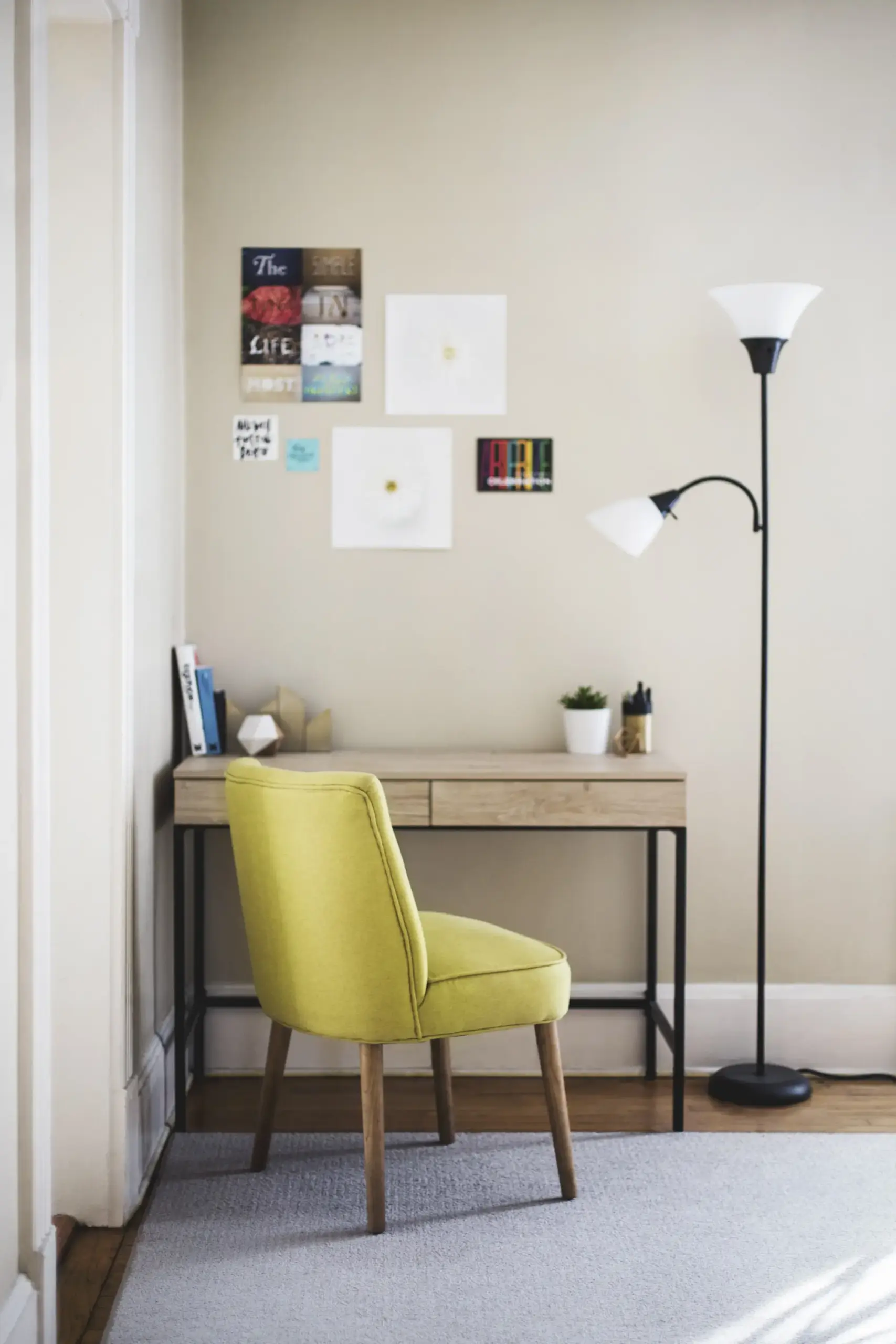
Great quiet zones begin with a map, not furniture. Track circulation paths, acoustic shadows, and natural light arcs across the day. Combine data with interviews, then place focus corners away from copy rooms and lounge chatter, preserving proximity to teams without inheriting their noise.

Acoustic Comfort And Tactile Calm

Materials matter: dense cores, soft surfaces, and smart seams tame echoes and muffle footsteps. Pair absorptive panels with rugs, curtains, and bookcases; layer textures for psychological safety. The mind reads softness as safety, releasing attention to think, create, and choose kindly.

Etiquette That Protects The Quiet

Culture cements design. Clear norms, warm reminders, and gentle escalation pathways keep quiet corners truly quiet without policing. Share the intent, model the behavior, and treat slips as teachable moments, so respect becomes automatic and participation feels supportive rather than restrictive.

Technology That Supports Flow

Rituals That Sustain Calm And Focus

Spaces invite; rituals sustain. Pair quiet corners with short, repeatable practices that anyone can try today. Celebrate micro-wins, like finishing a tricky paragraph or resetting after conflict, so progress feels tangible and teams associate calm with momentum, not withdrawal or avoidance.

Focus Sprints With Gentle Endings

Run twenty-five minute sprints followed by mindful pauses that include one deep breath, one stretch, and one note of gratitude. This simple cadence keeps edges smooth while output accumulates, avoiding the whiplash of heroics that crash energy and relationships later.

Breathing That Trains Patience

Teach box breathing or four-six exhales in posted cards and short videos. Practice together once each Monday, then invite people to repeat privately in corners as needed. Shared technique lowers stigma and keeps calm practical, measurable, and ready on difficult days.

Stretching As A Reset Button

Offer a three-move sequence posted near a plant or window: neck release, shoulder opener, and slow forward fold. Encourage two minutes after long calls. The body shifts state quickly, clearing mental fog and making re-entry into focused work gentle, confident, and kind.