Invite Stillness Into Your Everyday

Today we explore Personal Calm Nooks for Everyday Harmony—small, intentional spaces designed to gather your focus, soften overstimulation, and offer quick restoration throughout busy days. You will discover practical layouts, sensory cues, and repeatable rituals that fit apartments, shared homes, offices, and even commutes, inviting balance without perfection or large budgets.

Start With What You Already Have

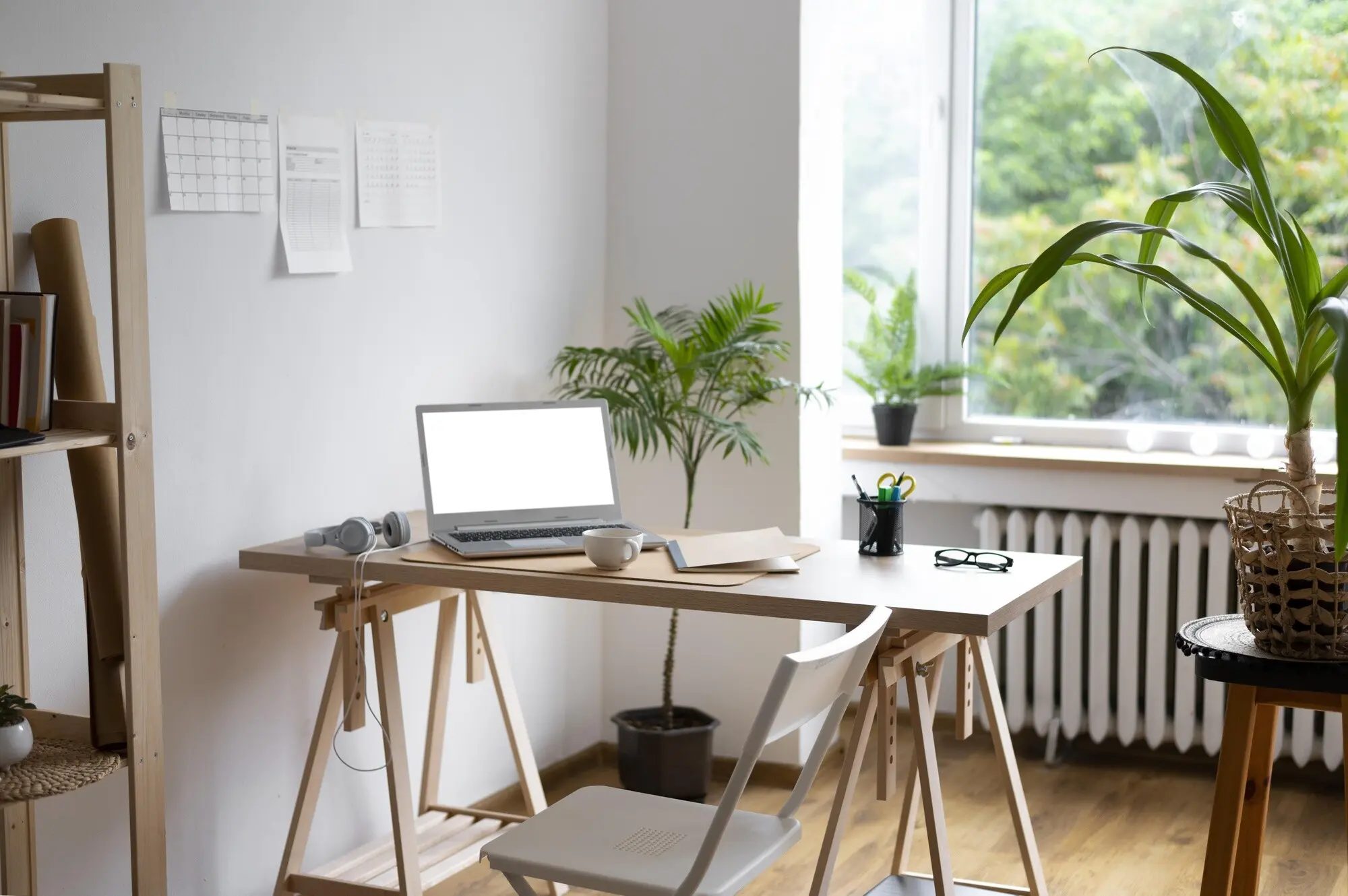
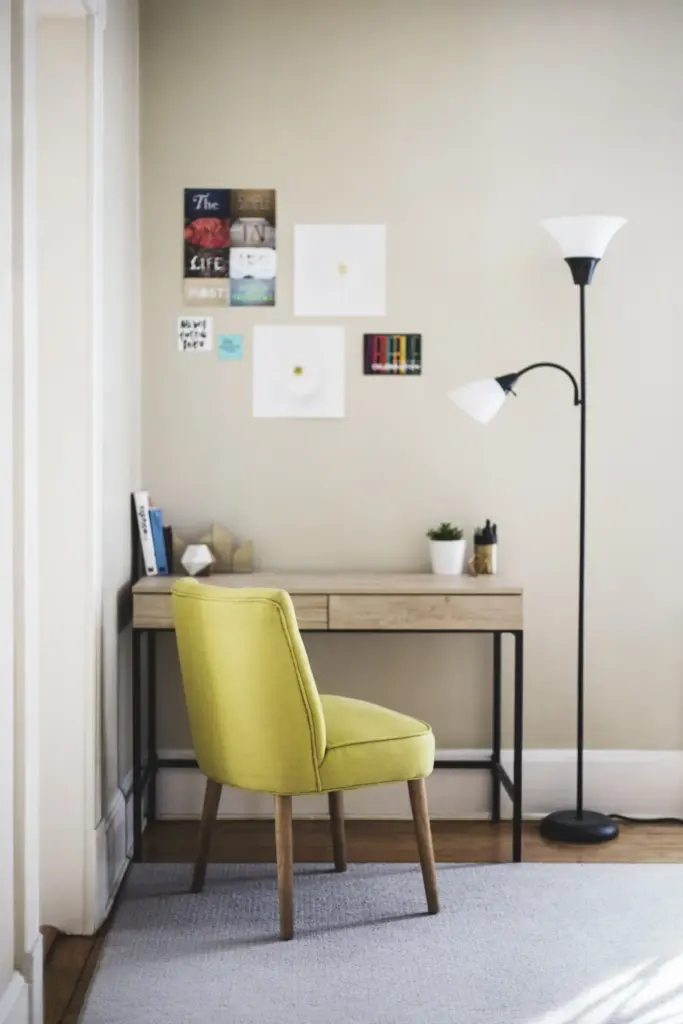
Before chasing new furniture or elaborate plans, scan the corners you pass without noticing. A spare chair beside a window, the foot of a bookshelf, or a balcony step can become a steady refuge. Let constraints guide creativity, celebrating small wins and micro-changes that steadily reshape your daily rhythm toward gentler, more dependable calm.

Design Principles That Soothe

Gentle design happens through deliberate restraint. Soften contrasts, simplify sightlines, and choose textures that quiet your nervous system. A limited palette creates continuity, while warm, indirect light nurtures safety. Prioritize access and comfort over spectacle, ensuring your nook remains welcoming at dawn, after meetings, and before needed, unhurried sleep.

01

Color Temperatures That Set the Tone

Cool neutrals can refresh a crowded mind, while warm earth tones reassure when days feel brittle. Pick two anchor colors and one accent, repeating them through textiles or stationery. Consistency reduces micro-decisions, helping the body anticipate rest the moment your eyes land on familiar, beautifully quiet hues.

02

Tactile Comfort You Can Feel Eyes Closed

When you remove sight from the equation, the body becomes your measuring tool. Choose breathable fabrics, rounded edges, and textures that encourage slow touch. A knitted pillow, cork footrest, or linen curtain gently grounds awareness, training your hands to become anchors that guide attention back, kindly, every time.

03

Lighting That Supports Circadian Ease

Position your nook to catch morning light if possible, encouraging wakefulness without caffeine urgency. In the evening, low, warm lumens cue winding down. Consider a dimmer or paper shade to diffuse brightness. Consistent, predictable lighting patterns support restful rhythms and reduce decision fatigue around when to engage or pause.

Nature, Science, and the Nervous System
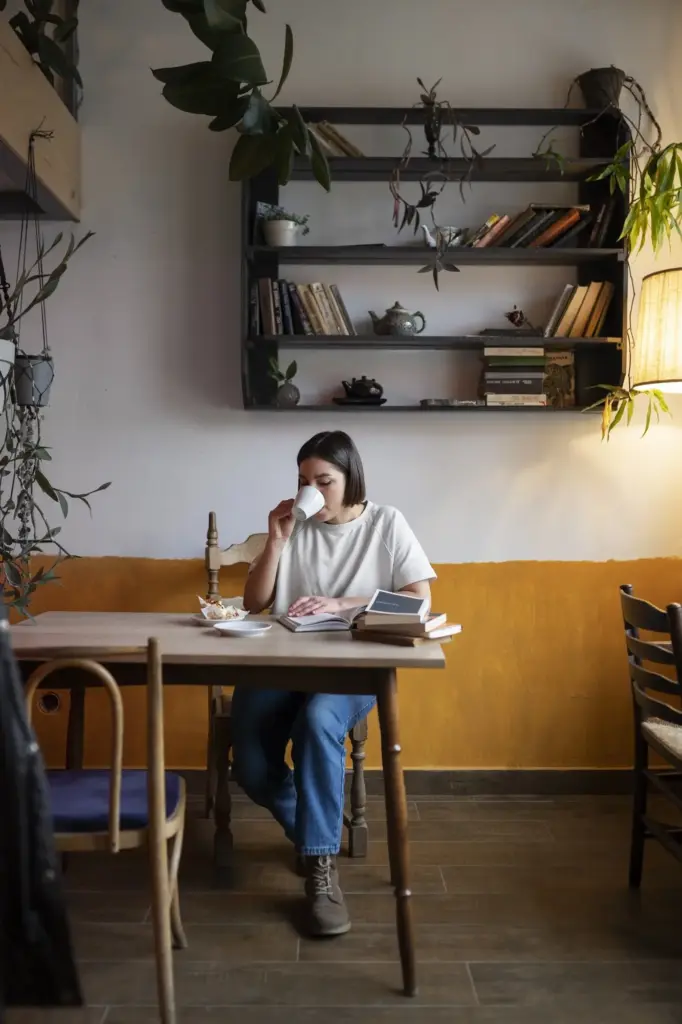
Gentle cues from nature can slow heart rate, steady breathing, and soften stress. Biophilic design—plants, wood grains, and daylight—nudges the body toward safety. Even a single leaf cutting near your chair or a nature soundscape in headphones can meaningfully shift attention, offering measurable ease within ordinary minutes.

Green Companions on the Shelf

Choose forgiving plants like pothos or snake plant that thrive with modest care. Their steady growth becomes a subtle accountability partner, reminding you to breathe and water your own needs. Watching new leaves unfurl can become a micro-ritual that celebrates progress without pressure or performative productivity narratives.

Materials That Whisper Safety

Wood, clay, stone, and cotton connect fingers to natural irregularity, which the brain often reads as comforting. Replace one synthetic surface with a tactile counterpart. A wooden tray for tea, a clay dish for keys, or a stone paperweight grounds attention, making brief pauses feel sincere and embodied.

Stories From Quiet Corners

Real lives transform through simple, repeatable touches. The right chair angle, a single plant, or a note to self can change a day’s direction. These brief vignettes show how tiny adjustments transformed overwhelm into steadier presence, letting people carry their renewed steadiness beyond the small space that nurtured it.

Tiny Spaces, Big Impact in Small Homes
Limited square footage invites ingenuity. Think foldable, stackable, and vertical. Your nook can live on a tray, expand at dawn, and vanish by lunch. Modular elements reduce setup friction, turning practice into habit. Let portability eliminate excuses, transforming any corner into a faithful companion for gentle reset.

Rituals to Keep the Calm Alive

A nook matters only if you return to it. Rituals make returning easy. Name a regular time, define a simple opening gesture, and choose a brief closing practice. Allow imperfection. The point is continuity, not drama, building steady pathways your mind recognizes as safe, nourishing, and yours.