Bring Home a Pocket of Peace
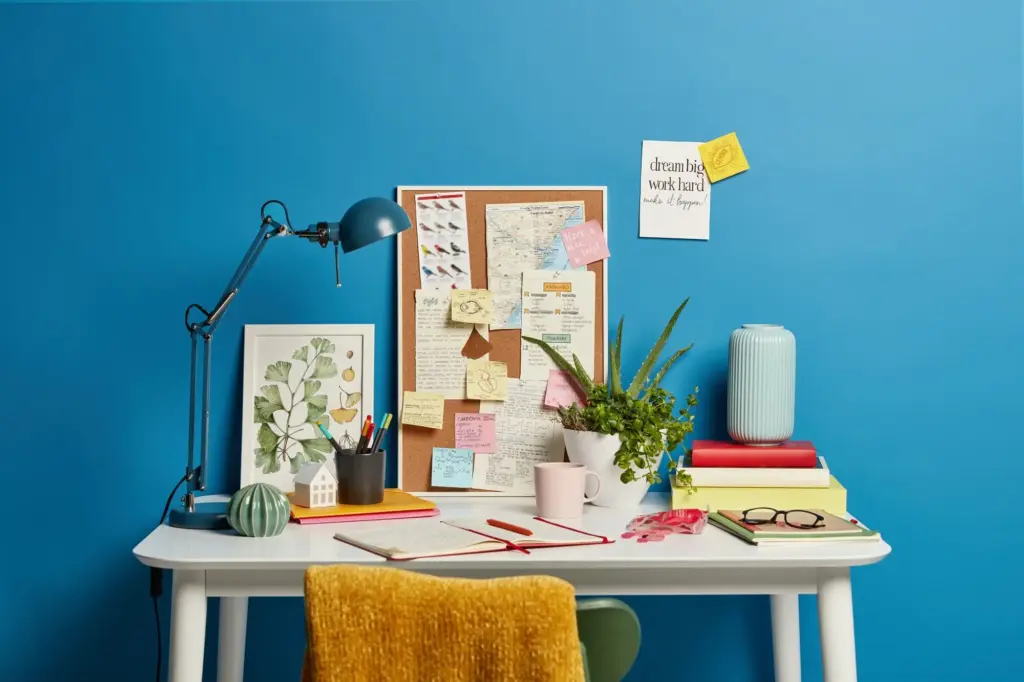
Today we dive into designing micro-sanctuaries in small apartments: tiny, intentional zones where your nervous system can exhale and your focus quietly returns. Together we will scout overlooked corners, choreograph light and shadow, explore textures and colors that soothe, and weave sound, scent, and ritual into ordinary routines. You will see real-world makeovers, renter-friendly fixes, and small investments that create outsized calm. Bring questions, share photos of tricky nooks, and subscribe to follow fresh experiments. By the end, you will know exactly where your pocket of calm could live and how to claim it with confidence.

Finding Square Inches That Matter

Start by auditing flow, function, and friction with curiosity. Trace where feet actually travel, where clutter repeatedly lands, and which spots already feel quieter by chance. A micro-sanctuary thrives on adjacency: near morning light for reading, beside an outlet for a kettle, or tucked behind a bookcase to borrow privacy. A tape measure, phone photos, and a quick floor plan sketch reveal hidden square inches. Invite household members to map routines, then choose a corner that can be protected, signaled, and gracefully reset after use without disrupting everyone else.

Light That Lifts and Settles

Light sculpts mood faster than any object can. Layer a warm base around 2700–3000K to relax, add a focused beam for reading or journaling, then finish with soft accents that sparkle without glare. Sheer curtains, reflective surfaces, and dimmers give control from dawn to deep night. Pay attention to vertical illumination; brighter walls feel more spacious. A simple clip lamp can redefine a corner instantly. Share your favorite lamp discoveries with the community so our evenings grow gentler, kinder, and easier to unwind into.

Layer Ambient, Task, and Accent

Imagine three helpful switches for one intention. Ambient sets safety and orientation, task grants precision without strain, and accent adds quiet poetry. Keep bulbs within one color family to avoid muddy mixes that fatigue eyes. Place sources slightly forward of eyes to prevent hard shadows. A paper shade or frosted globe softens edges, calms attention, and turns routine moments into reassuring rituals.

Harness Daylight, Tame Glare

Sit in your chosen spot for fifteen minutes as clouds move, watching reflections on screens and glossy tables. Use sheer curtains to diffuse and bounce light off pale walls with mirrors. Angle chairs away from direct beams to preserve comfort. If heat builds, a lightweight blind with side channels controls spill without darkening everything. Daylight should feel like a companion, not a spotlight.

Evening Cues for Rest

As the sun drops, invite your brain to unwind with sequential dimming. Swap blue-heavy bulbs near the sanctuary for warmer light, and place the brightest sources behind you, never in your eyes. A candlelike accent primes slower breathing and softer speech. Make it a repeatable ritual: lights down, water poured, phone silenced, body settled. The choreography teaches calm faster each night.

Textures, Colors, and Materials that Soothe
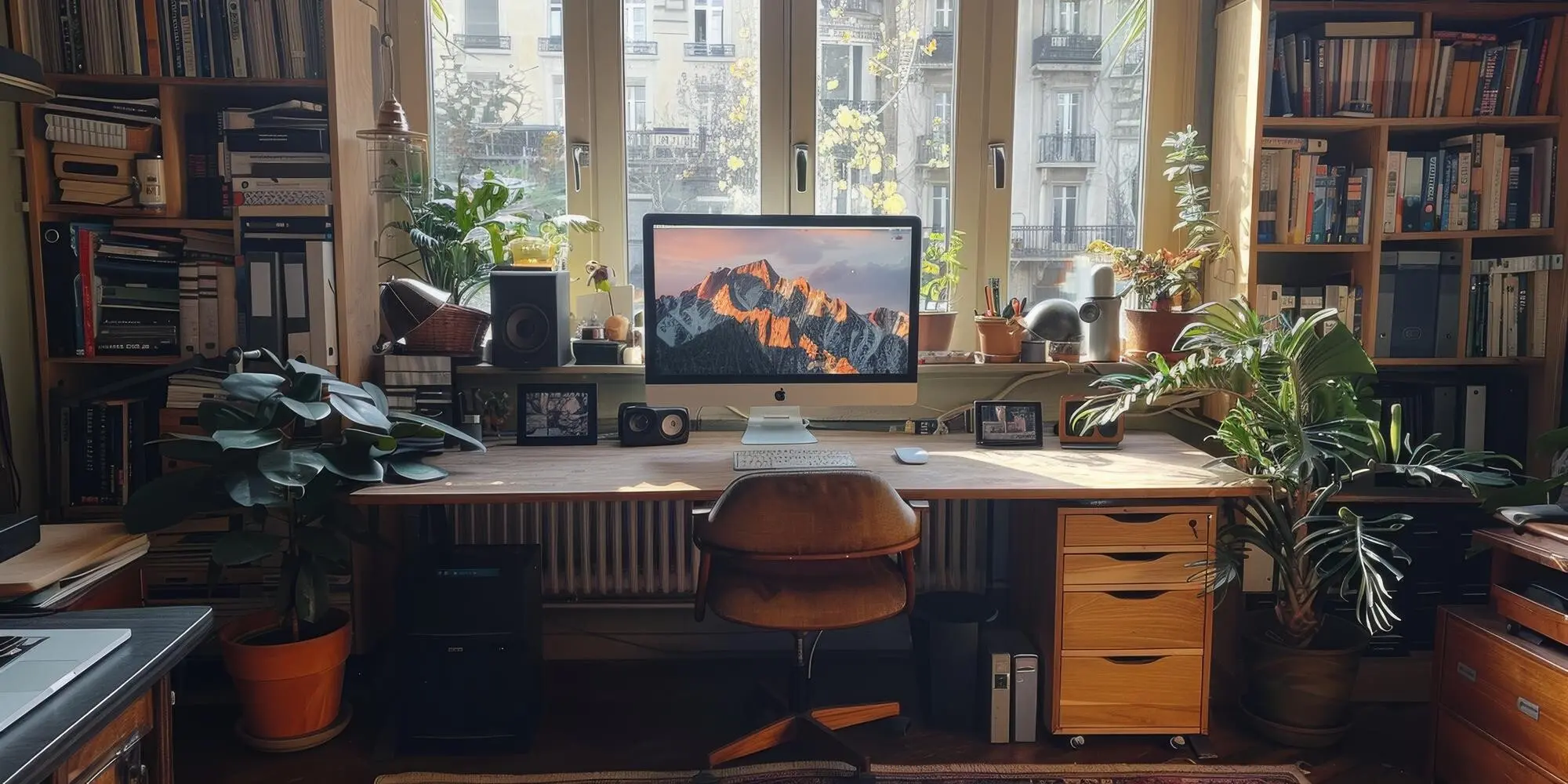
Tactility and color hold emotional shortcuts your body trusts. Low-saturation hues, natural fibers, and honest finishes communicate safety and steadiness without shouting. Combine one smooth surface, one soft textile, and one textured accent to engage senses without clutter. Choose a palette that echoes a favorite landscape—moss greens, dusk blues, clay neutrals—then repeat it across small objects for coherence. Acoustic textiles double-task, softening both sound and visual noise. Share swatches and palette ideas; collective eyes catch harmony quicker than working alone.

A Palette That Breathes

Build from a quiet neutral base—warm white, oatmeal, or greige—then layer two calm companions like sage and muted navy for depth. Limit saturation and contrast so edges feel gentle, never jarring. Add life with a single metallic note or pale wood. Consistency across trays, covers, and cords makes the corner feel intentional without excess, inviting regular use.

Tactile Anchors You Can Feel

Anchor the body with a cushioned mat, a dense pillow, or a wool throw that signals immediate comfort. Keep one object always within reach that invites touch, like a smooth stone, wooden bead strand, or ribbed ceramic cup. These micro-anchors cue presence faster than words and help you re-enter focus after interruptions with less friction.

Quiet the Echoes

Hard floors and bare walls bounce stress around the room. Add a rug with felt underlay, a thick curtain, or a pinboard wrapped in linen to cut reflections dramatically. Books and plants help diffuse sound too. Measure success by how voices soften and typing sounds less sharp. Even small changes reduce reverberation and make whispers possible again.

Furniture with Gentle Footprints

Compact pieces extend grace in tight plans. Favor furniture that folds, stacks, nests, or rolls, so your sanctuary appears when needed and vanishes when life expands. Seek rounded corners, light frames, and breathable silhouettes that float above the floor to preserve openness. A slim trolley can host tea, tools, and textiles, then park inside a closet. Test for wobble and comfort; thirty seconds of posture tells the truth. Share links or thrift finds others can hunt for locally and adapt with confidence.

Scent, Sound, and Micro-Rituals

Sense cues transform an ordinary corner into a reliable promise. A consistent scent marks entry, a purposeful soundtrack hushes chatter, and one tiny ritual seals attention. Keep it low-effort and repeatable: two deep breaths, a page of gratitude, or one minute of stretching. Use safe diffusers, keep cords tidy, and manage volume so neighbors remain friends. Share your playlist or ritual below; someone may borrow it tonight and rediscover steadiness without adding complexity or clutter.

Green Life in Small Places

Nature shortens the distance to ease. Even a single plant shifts humidity, color, and attention. Choose forgiving species, scale containers to surfaces, and group odd numbers for rhythm. Train vines along fishing line or trellises to lift the eye and soften edges. Water on a schedule you will keep, not the internet’s ideal. Snap a photo of your green corner and share it; progress inspires persistence and helps others choose confidently.

Choose Plants That Forgive

Start with resilient friends like pothos, snake plant, ZZ, or philodendron, matched to your real light. Use breathable pots with saucers to protect floors and shelves. If you travel, add a self-watering insert. Replace perfection with observation; leaves and soil tell you more honestly than charts when to adjust water or light.

Vertical and Hanging Gardens

Mount a slim shelf high to catch sun, hang planters from tension rods, or clip micro planters to balcony railings where allowed. Keep total weight safe and distribute load. Trailing varieties double as soft screens. Train stems gently with clips, keep cleaning easy, and maintain airflow to prevent mildew while preserving your restful corner.

Care Routines You’ll Keep

Bundle tasks with existing habits: water after weekend coffee, mist while the kettle boils, prune during podcast minutes. Keep a small kit—snips, moisture meter, microfiber cloth—in one caddy near the zone. When care is visible and brief, plants thrive, and your sanctuary keeps earning daily returns without overwhelming attention or time.
Stories from Tiny Homes
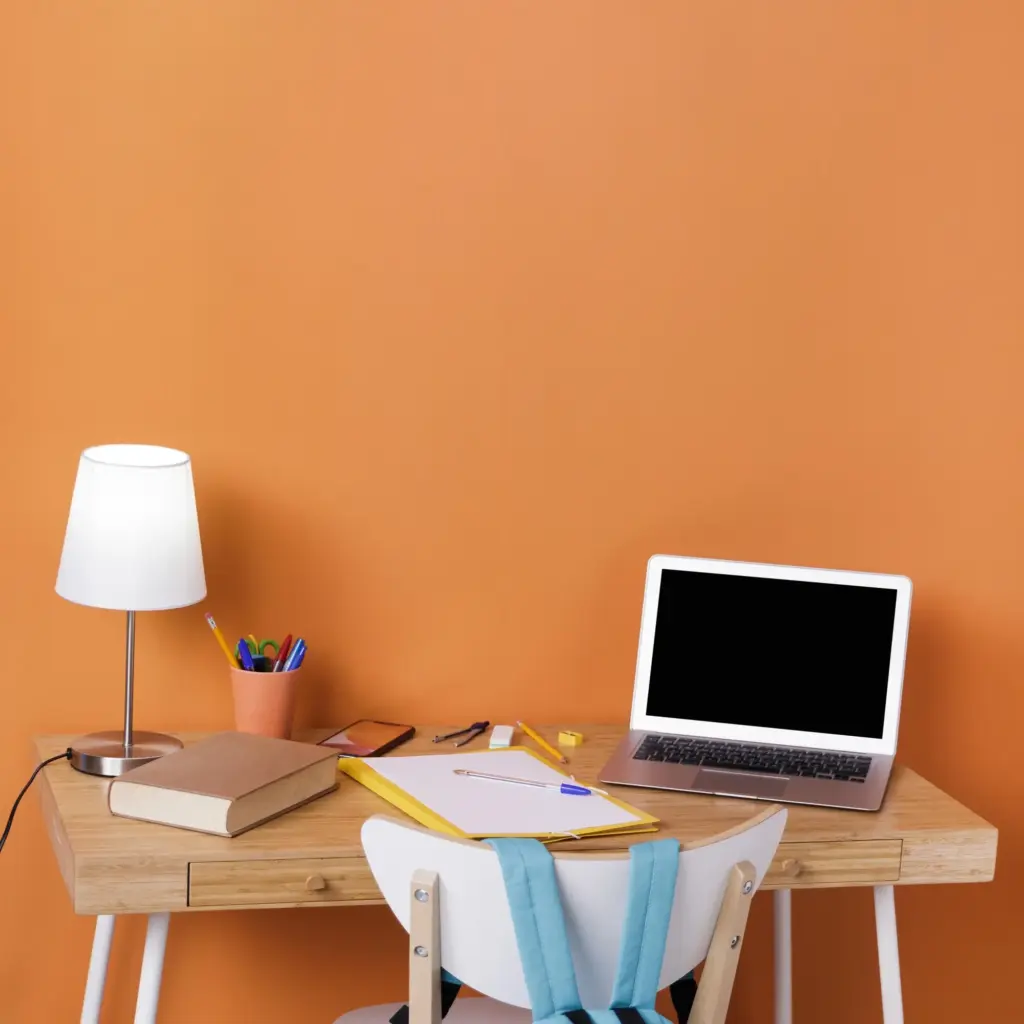
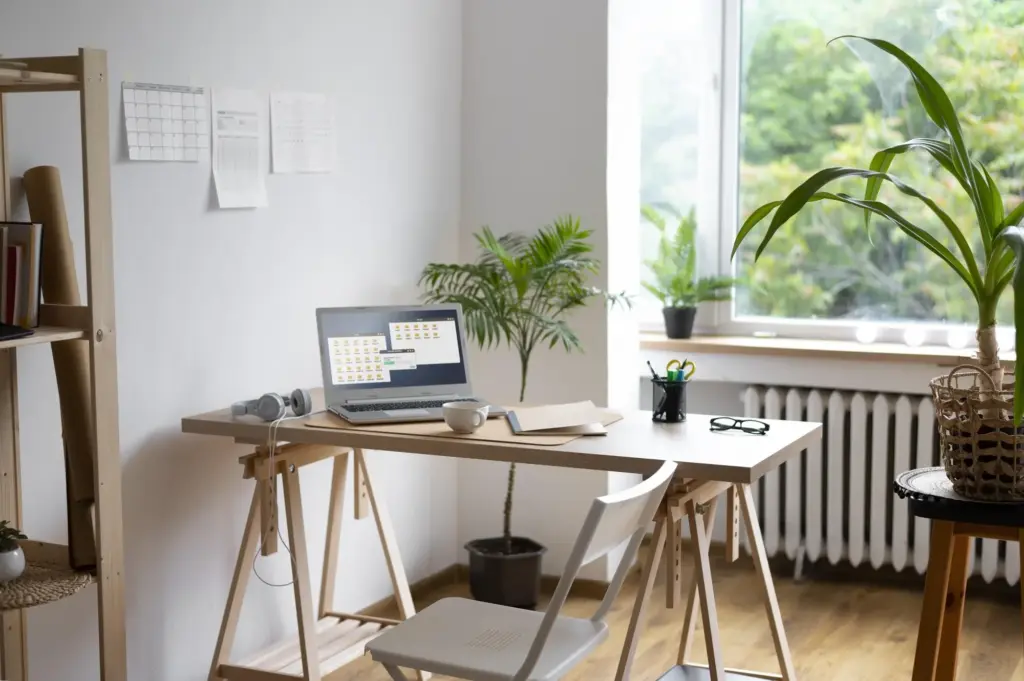
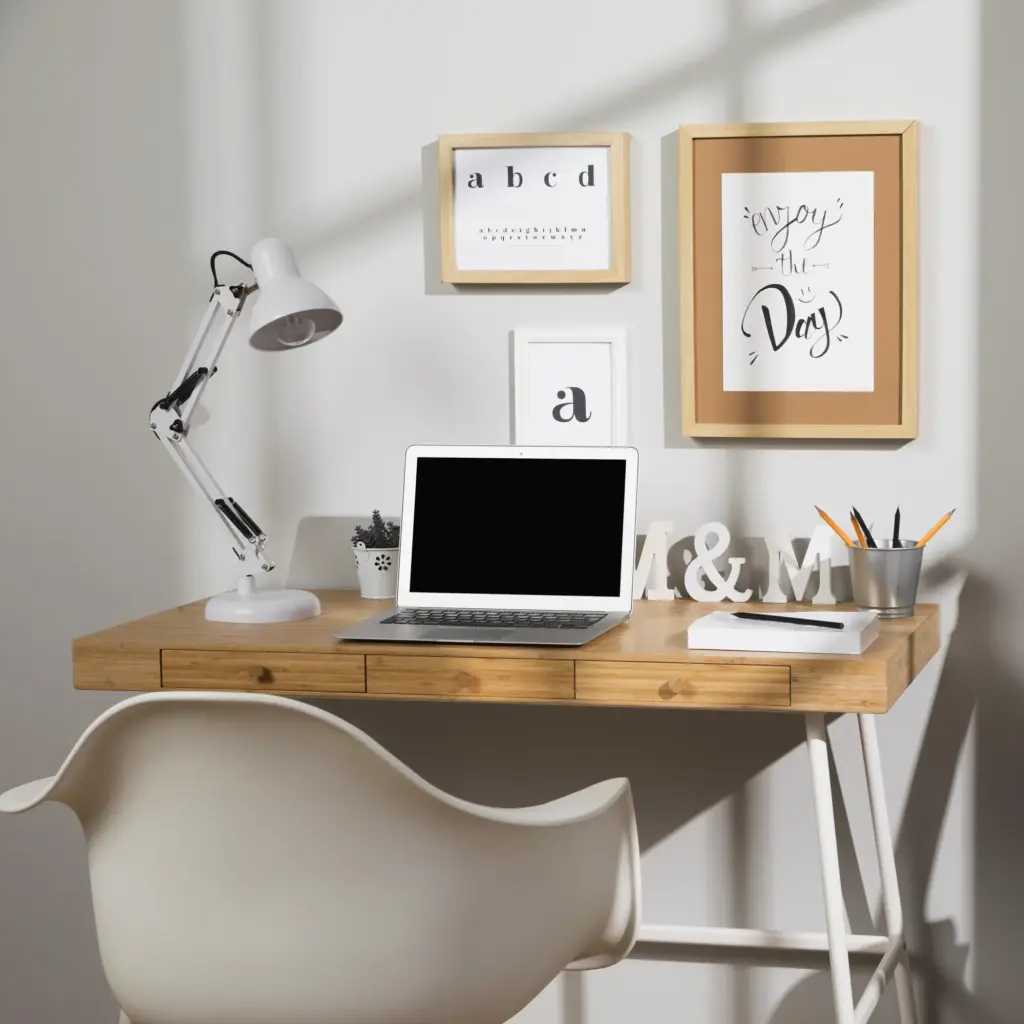
Real homes teach best. We visited renters and students who carved solace from inches: a windowsill turned sketch station, a linen-closet meditation perch, and a tiny balcony dawn retreat. Budgets were modest, materials ordinary, yet intention was strict and kind. Their before-and-afters prove that clarity, not square footage, changes the day. Add your story below; we would love to feature it in a future update and celebrate your ingenuity, courage, and gentle persistence.