Breathe Easier at Home: Crafting Tech-Free Sanctuaries
We’re exploring Tech-Free Sanctuaries: Creating Screenless Recovery Spots in a Digital Home, turning overlooked corners into nourishing refuges where attention recalibrates, breath slows, and conversation deepens. Expect evidence-informed design moves, cozy rituals, and small experiments you can try tonight, plus community invitations to share progress, photos, and questions.


The 20-Minute Reset
Short, protected intervals recalibrate attention surprisingly well. Try twenty minutes in your sanctuary after work: no phone, no smart watch, only breath, paper, and gentle light. Many readers report fewer evening cravings for scrolling and clearer conversations with partners after just one consistent week.
Blue Light, Blue Sky
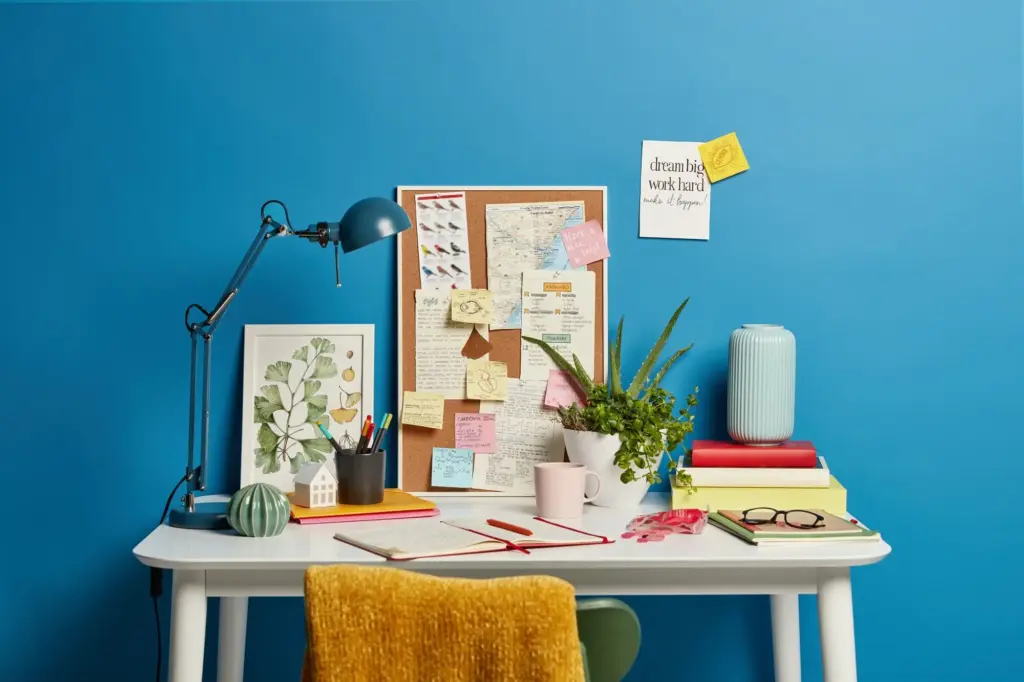
Replace late-night screens with dim, warm lamps and earlier morning exposure to real daylight by a window or outside. Circadian cues shift, melatonin rises predictably, and sleep quality improves. A balcony pause at sunrise often beats any trending reel for resetting mood and perspective.
Reading Nooks and Acoustic Shadows
Corners behind bookcases, half walls, or tall plants create useful acoustic shadows that gently mute household bustle. Pair a supportive chair with a throw and a tray for tea. You’ll feel tucked away, seen enough for safety but unbothered by screens’ magnetic glare.
Micro-Sanctuaries in Shared Rooms
Even in studios, a floor cushion beside a low shelf can signal a different mode. Use a folding screen, curtain, or rug edge to mark the zone. When the lamp flicks on, housemates learn it means quiet presence, not conversation or phones.
Outdoor Extensions: Balconies and Stoops
Fresh air plus distance from routers often shifts behavior naturally. Add a blanket, wind-friendly candle, and a small journal clipped to a board. The ritual of stepping outside, even briefly, grounds attention, slows breathing, and reframes worries with bigger sky and slower time.
Design Details That Invite Calm Without Gadgets
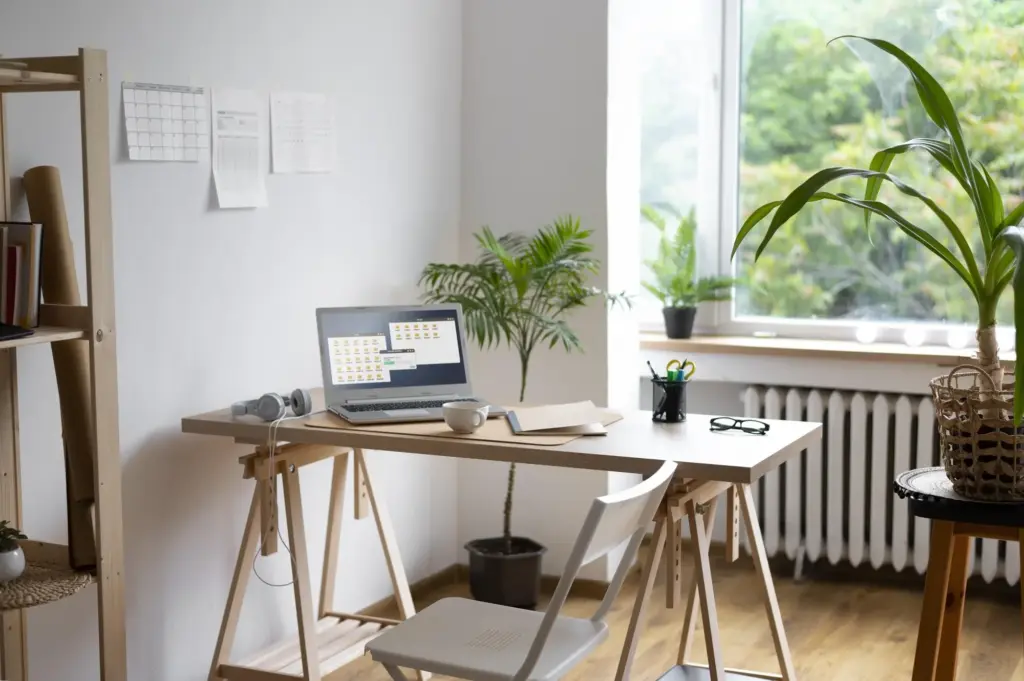
Material choices quietly coach the nervous system. Natural fibers, rounded edges, and breathable textures invite slower touch. Warm whites and earth tones reduce visual noise. Low, indirect light softens edges so the room stops asking for your attention and begins giving it back.
House Rules and Rituals That Actually Stick
The Basket by the Threshold
Place a beautiful, lined container near your sanctuary entrance and label it playfully. Charging happens elsewhere; here, devices rest. Dropping a phone becomes a satisfying sound and micro-ceremony signaling you are choosing presence, preparing attention, and generously guarding rest for later.
Transitions After Work or School
Replace the collapse-onto-couch reflex with a short, named ritual. Hang the bag, wash hands warmly, light the candle, choose a seat, exhale slowly. Repetition trains the body to associate this sequence with decompression, helping conversations become kinder and personal energy rebound faster.
Gentle Prompts Instead of Policing
Sticky notes feel scolding. Try gracious language: a small card that reads, Welcome, this corner protects quiet. Pair with a sand timer, pen, and book to make compliance feel rewarding. People cooperate when the invitation respects autonomy and offers immediate comfort.
Guided Practices for Mind and Body Recovery
Recovery is not passive; it is an active skill set you can rehearse. Simple breathing, paper journaling, and floor-based mobility nourish attention and body chemistry. These practices work beautifully without apps, transforming modest minutes into a steady, repeatable ritual of genuine renewal.
Two Breaths, One Long Exhale
Use a physiological sigh: inhale through nose, small top-up inhale, then slow, extended exhale through the mouth. Repeat three times. Heart rate settles, shoulders drop, and the mind widens. Many people report feeling capable again before the third minute ends.
Paper Journaling Prompts for Unhooking
Open a notebook and answer three lines: What feels heavy right now? What can wait until tomorrow? What would help the next hour feel kind? Writing by hand slows cognition enough to separate real priorities from urgent noise, restoring relief and perspective.
Keep It Going: Track, Celebrate, and Share
Momentum grows when progress is visible and shared. Establish a baseline, make tiny adjustments weekly, and celebrate moments of ease. Keep a paper tracker, snap analog photos of evolving nooks, and invite friends to join a screenless hour. Share reflections and subscribe for fresh prompts.
Log where devices usually live, which hours pull you strongest, and how often you already pause. After a week of sanctuaries, tally changes. Celebrate one minute rescued, one deeper talk, one better sleep. Small wins compound fastest when they are noticed aloud.
Track bedtime consistency, wake freshness, and midday irritability on paper with simple smile marks. Correlate improvements with sanctuary use, light timing, and breathwork frequency. Patterns appear quickly, encouraging continued practice while highlighting which rituals give the largest return on your precious energy.
All Rights Reserved.